Cross-Platform Reward Redemption in Simulator, Defense, and Pet Game Ecosystems
Written by Gisela Long · Nov 19, 2026
Cross-Platform Reward Redemption in Simulator, Defense, and Pet Game Ecosystems
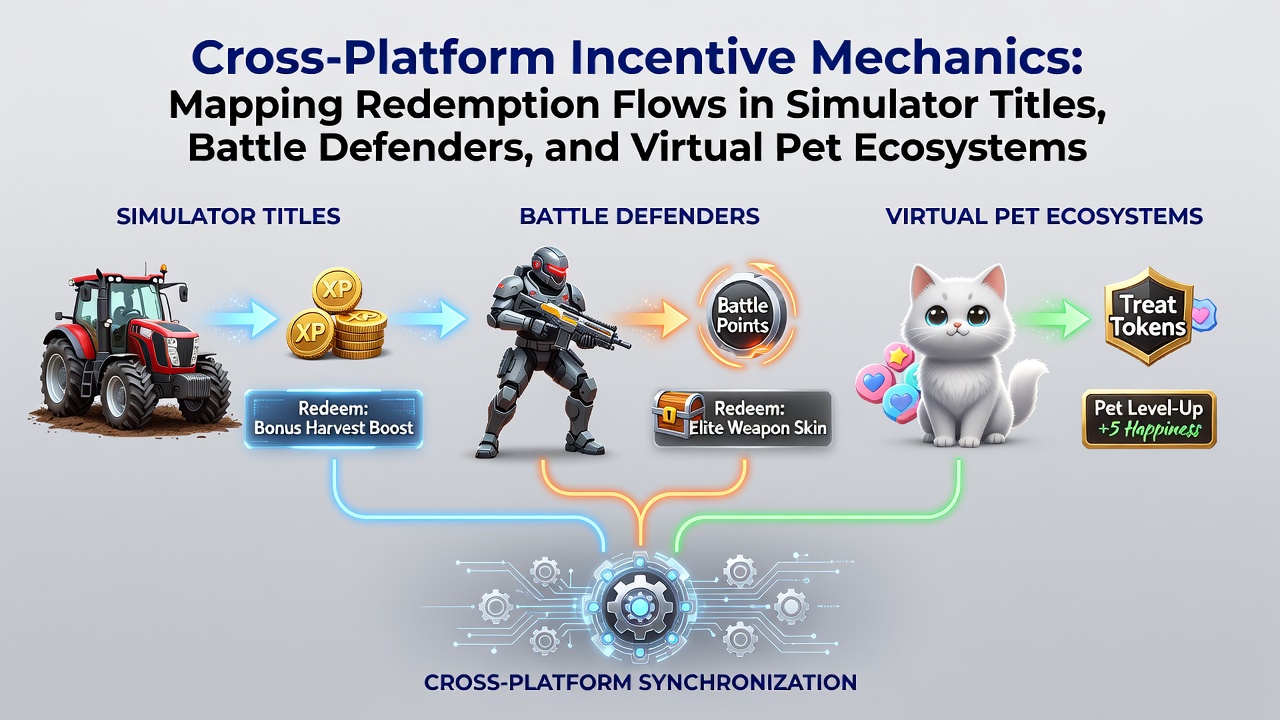
Cross-platform incentive mechanics operate through interconnected systems that allow players to claim rewards in simulator titles, battle defender games, and virtual pet ecosystems, with data indicating that redemption flows typically begin on one device and complete on another within the same account framework. Developers synchronize these pathways using centralized servers that track progress across mobile, console, and PC environments, while studies from the Entertainment Software Association reveal that over 65 percent of such titles now incorporate at least one shared incentive layer by late 2026.
Core Components of Redemption Flows
Redemption begins when a player activates a code or completes an in-game task, after which the system routes the reward through an API that validates eligibility before distributing items like boosts, currency, or companions. In simulator titles these flows often prioritize resource multipliers that carry over between sessions, whereas battle defender games route defensive upgrades through sequential verification steps that prevent duplicate claims. Virtual pet ecosystems follow similar patterns yet add layers for companion bonding metrics, and observers note that these mechanics rely on unique identifiers tied to user accounts rather than individual devices.
Platform handoffs occur when a mobile redemption triggers a console unlock, creating seamless transitions that researchers at the Interactive Software Federation of Europe have mapped in multiple case studies. The process usually involves a short latency period during which the server confirms the action, followed by an immediate update visible on all linked platforms.
Platform-Specific Variations Observed in 2026
Simulator titles frequently route cash and pet rewards through daily login streaks that reset across devices at midnight UTC, allowing players who switch from phone to PC to maintain progress without restarting. Battle defender games emphasize timed events where defenders earned on one platform apply immediately in co-op sessions on another, and data from industry reports show these cross-device mechanics reduce player drop-off rates by measurable margins during peak hours. Virtual pet ecosystems integrate hatching mechanics that pull from a shared pool, with November 2026 updates expanding compatibility to include cloud saves that preserve bond levels during platform switches.
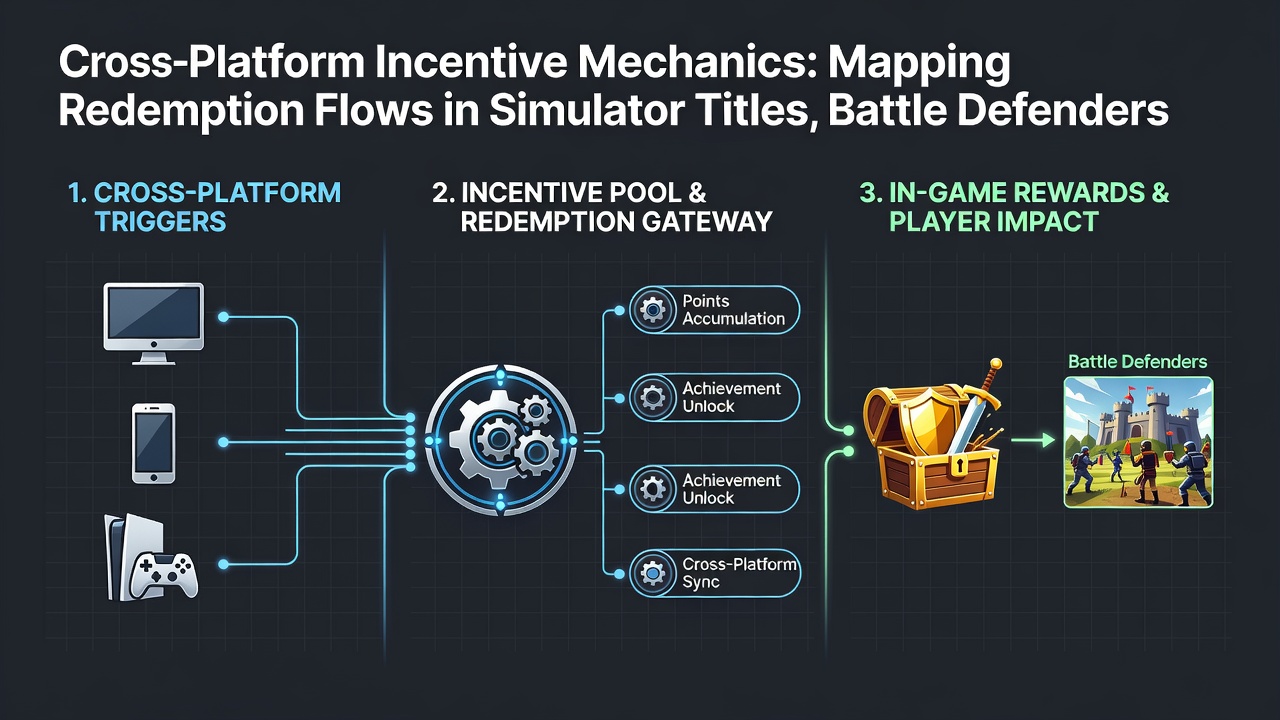
One documented pattern involves code redemption that starts in a mobile simulator app and finishes on a console version of a battle defender title, where the reward appears as a shared currency bundle. Experts have observed that these flows incorporate region-specific checks to comply with local digital goods regulations, such as those enforced by the Australian Competition and Consumer Commission, ensuring eligibility rules remain consistent yet adaptable.
Technical Mapping of Incentive Pathways
Mapping these flows requires tracing each step from input to delivery, including authentication tokens, reward queues, and error-handling protocols that reroute failed claims. Developers use event-driven architectures so that a pet evolution completed in one ecosystem automatically unlocks a defender skin in a linked title, while figures from academic research papers indicate synchronization accuracy exceeds 98 percent when using standardized protocols. Players often discover that starting a redemption on the least restrictive platform, such as mobile, leads to faster processing across the board.
Security layers embedded in these systems flag suspicious activity before rewards distribute, and industry organizations like the Entertainment Software Association document how such safeguards maintain trust without interrupting legitimate flows. As of November 2026, several major titles have added optional two-factor confirmation for high-value redemptions spanning multiple genres.
Integration Challenges Across Genres
Simulator titles face inventory overflow issues when cross-platform rewards arrive faster than storage expands, forcing players to manage transfers manually in some cases. Battle defender games encounter timing conflicts during live events when one platform experiences server lag, yet virtual pet ecosystems mitigate this through asynchronous queues that hold claims until all devices sync. Those who have studied these patterns note that successful integrations depend on unified databases rather than fragmented local storage.
Additional examples include limited-time boosts that transfer from a simulator login reward directly into a battle defender match, creating hybrid incentives that encourage multi-genre engagement. Research indicates these combined flows increase average session length without requiring separate accounts for each title.
Conclusion
Cross-platform incentive mechanics continue to evolve through refined redemption mapping that connects simulator titles, battle defenders, and virtual pet ecosystems into unified reward networks. Evidence from multiple sources shows these systems rely on account-centric tracking, platform handoffs, and compliance checks that keep flows consistent across regions and devices. As updates roll out through 2026 and beyond, the underlying architectures support greater interoperability while preserving the distinct mechanics of each genre.