Player Networks Shaping Reward Distribution in Simulator and Adventure Games
Written by Ines Powell · Sep 10, 2026
Player Networks Shaping Reward Distribution in Simulator and Adventure Games
Core Mechanics of These Networks
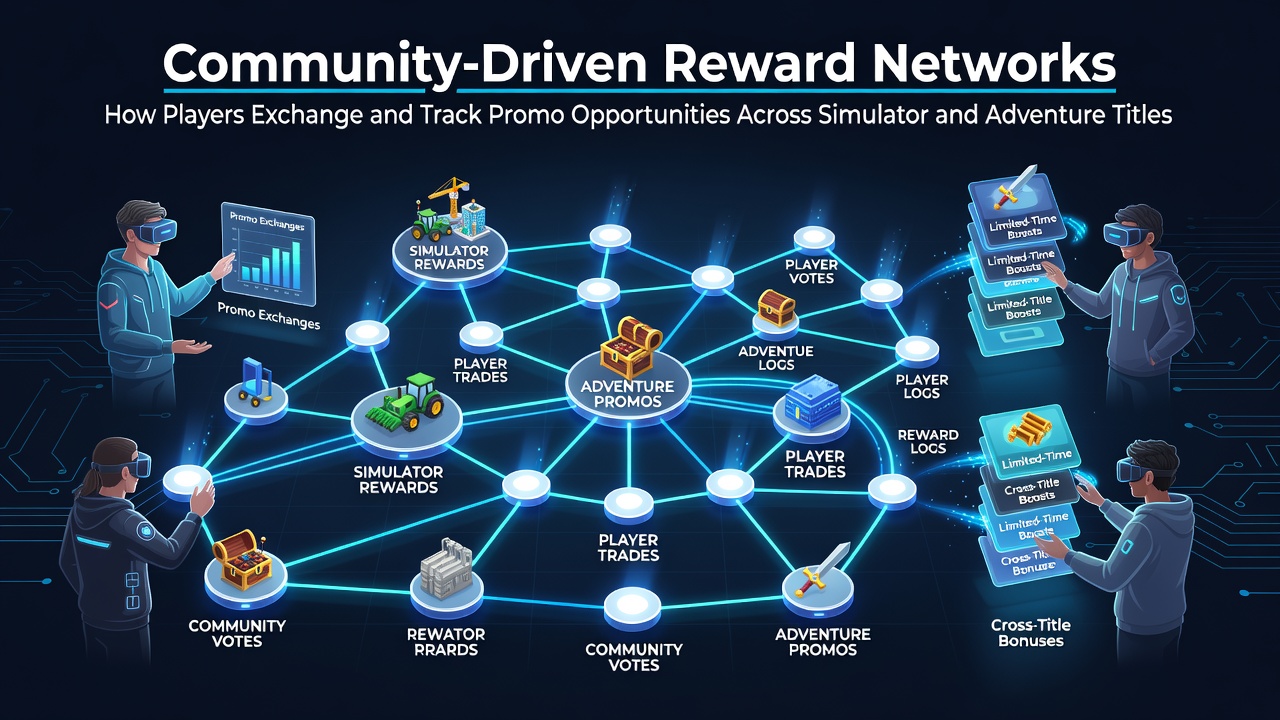
Community-driven reward networks operate through coordinated player groups that collect, verify, and distribute promotional opportunities across simulator titles and adventure games, and these systems rely on shared databases maintained by volunteers who update entries in real time. Players post newly discovered codes on dedicated forums and Discord servers while moderators cross-check expiration dates and eligibility rules before adding them to centralized trackers, which reduces duplication and ensures participants receive only valid rewards such as in-game currency or exclusive items.
Tracking tools include custom spreadsheets that categorize codes by game genre and release date, and mobile applications that send push notifications when fresh promotions appear for specific simulators. Data from these platforms shows that September 2026 will feature expanded integration with adventure game APIs, allowing automatic verification of codes across multiple titles simultaneously.
Exchange Processes Across Genres
Participants in these networks exchange opportunities by posting screenshots of valid redemptions or linking to official patch notes that confirm new reward drops, and such exchanges occur most frequently in communities focused on simulator games where daily login bonuses and event codes appear regularly. Adventure titles contribute longer-term quests and milestone rewards that players bundle into trade lists, enabling members to swap access instructions for items that boost progress in both genres without violating developer terms.
Research conducted by the Entertainment Software Association indicates that organized sharing reduces the average time players spend hunting for codes by approximately forty percent across popular platforms. Moderators enforce rules that prohibit resale of codes, which keeps the focus on free distribution and maintains network integrity through community voting systems that flag unreliable sources.
Technology Supporting Coordination
Discord bots automate code collection by scraping public announcement channels from game developers and forwarding verified entries to subscriber lists, while web-based dashboards display live status indicators for each promotion including remaining uses and regional restrictions. These tools connect users across time zones so that night owls in one region can confirm codes discovered by morning players elsewhere, creating continuous coverage that individual efforts cannot achieve alone.
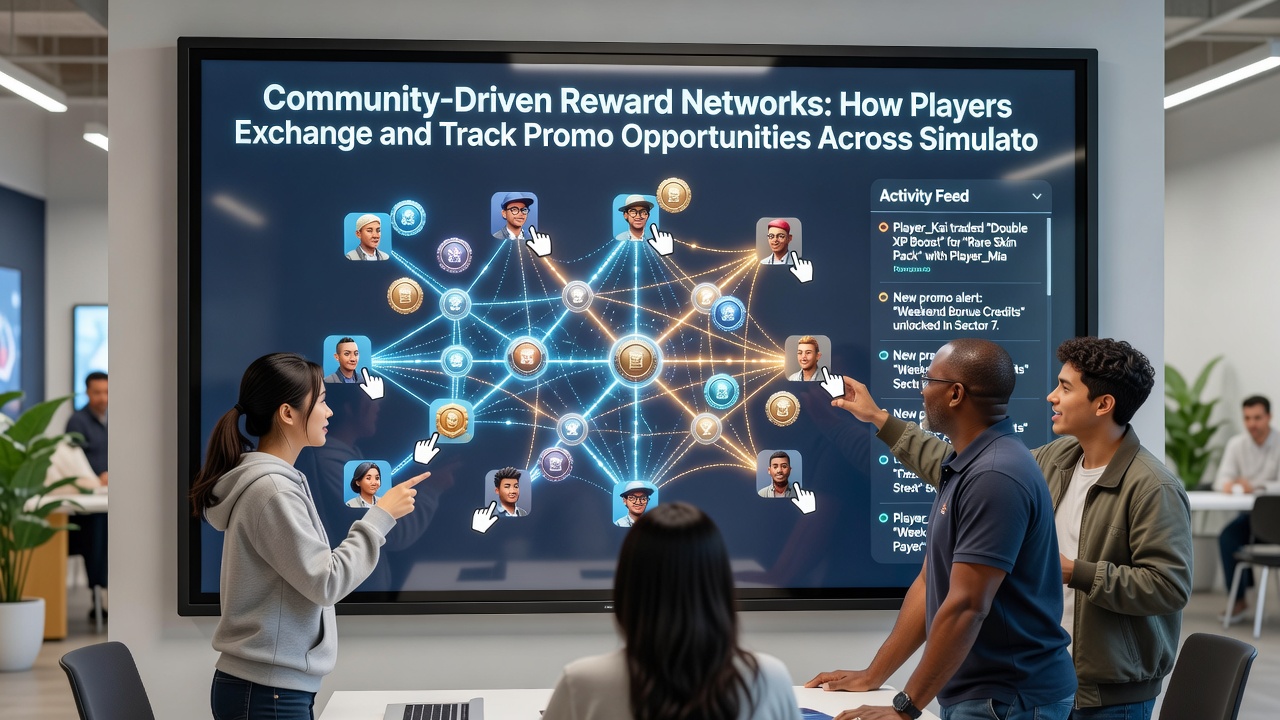
Figures from industry reports compiled by the Interactive Software Federation of Europe reveal that participation in reward networks has grown steadily since 2023, with simulator communities showing the highest engagement rates due to frequent update cycles. Adventure game groups tend to emphasize long-form guides that detail how to combine multiple promotions for optimal results, and these resources often include video walkthroughs uploaded to shared repositories.
Regional Variations and Participation Patterns
North American players dominate early code discovery for new simulator releases because of time zone advantages with developer studios, whereas European adn Asian groups excel at organizing large-scale events where members pool resources to unlock collective milestones. Australian communities have introduced region-specific tracking filters that account for local server maintenance schedules, which prevents wasted attempts on codes that expire during off-peak hours.
Observers note that cross-genre exchanges thrive when players maintain separate profiles for simulator grinding and adventure exploration, allowing them to transfer knowledge about reward timing without direct item trading that developers prohibit. Educational workshops hosted on these platforms teach newcomers how to set up personal notification systems and contribute back to the collective database.
Future Developments Through 2026
Upcoming features planned for September 2026 include AI-assisted code validation that scans developer social media feeds and flags potential promotions before official announcements, and these additions aim to further streamline the exchange process. Developers have begun observing these networks to gauge player interest in specific reward types, which informs future content updates without direct involvement in teh sharing mechanisms themselves.
Continued growth depends on maintaining trust through transparent moderation and regular audits of contributed data, and participants who consistently provide accurate information receive priority access to beta testing opportunities for new tracking tools.
Conclusion
Community-driven reward networks continue to evolve as essential infrastructure for players seeking efficient access to promotions in simulator and adventure titles, and their structured approaches to collection, verification, and distribution demonstrate scalable models that adapt to changing game landscapes. These systems rely on voluntary contributions and technological aids that keep information current across global audiences, while regional adaptations ensure relevance regardless of player location or preferred genre.